
“Eating fat makes you fat,” sounds like it makes perfect sense, right? Not exactly. People began developing an irrational fear of fat since the popularisation of low fat diets in the ‘70s.
First let’s look at the reality; obesity rates have skyrocketed! In the United States, where low fat diets began gaining popularity in the mid ‘70s, obesity is up to ⅓ of today’s population!
The truth; fat is an essential macronutrient for us to stay healthy. Consuming the right types of fat in the correct proportions can even help us on the way to fat loss and muscle gain!
We are going to run a series of articles explaining the dietary requirements of fat - today we are introducing the basics.
Not All Fats Are Created Equal
Dietary fat can be divided into three major categories - unsaturated fat, saturated fat and trans fat.

The Good
When we talk about increasing fat intake to improve our health we are generally referring to unsaturated fat. Unsaturated fat can be further categorised into monounsaturated fat and polyunsaturated fat.
Monounsaturated fat, which is the most abundant in some nuts and plant oils, can help reduce our LDL (bad cholesterol) and blood pressure while increasing our HDL (good cholesterol).
Examples of Monounsaturated Fat Sources:
Safflower oil (NOT sunflower oil), olive oil, avocados, canola oil, and hazelnuts
Polyunsaturated fat, mostly found in fatty fish, certain types of nuts and plant oil, can reduce our triglycerides, inflammation, and tumour growth.
Examples of Polyunsaturated Fat Sources:
salmon, tuna, mackerel, sardines, almonds, chia seeds, walnuts, and oil from the above list

The Bad
If unsaturated fat is the good guy, the not so good guy would be saturated fat. Our bodies do need a certain amount of saturated fat to stay healthy but an excessive amount can cause our LDL (bad cholesterol) to elevate beyond safe levels, which can cause blood pressure to increase leading to higher risks of heart diseases and stroke. Saturated fat tends to be found in animal products. Note: it is impossible and not necessarily healthy to completely eliminate saturated fat from our diets; we should however limit the intake of saturated fat to no more than 5 - 6% of our total caloric intake.
Examples of Saturated Fat Sources:
pork, beef, lamb, dairy products, and lard

The Ugly
There is also a type of fat we should avoid at all costs - trans fat. Trans fat does not naturally exist in any food but is the product of a chemical reaction called partial-hydrogenation, which makes liquid fat into solid fat. Trans fat has absolutely no place in our bodies and can increase our LDL (bad cholesterol), risk of heart diseases and stroke. The majority of trans fat exists in processed food with ingredients that have gone through partial-hydrogenation.
Examples of Trans Fat Sources:
margarine, commercial pizza and fried food, and packaged cookies
An important note is when a food product claims to be trans fat free it does not necessarily have zero trans fat (the food industry can be very confusing). What it does mean is that there is less than 0.5g of trans fat per serving and the producer can actually define the serving size however he wants! Often times those products which claim to be trans fat free are those requiring the most caution. Instead of looking at the amount of trans fat on the nutrition label, look at the ingredient list and avoid anything with the word “partially hydrogenated” in order to ditch the trans fat.
Everything in Moderation
In summary, it is important to remember that not all fat is created equal and we do actually need to incorporate the correct amounts of the right types of fat in our diets! Another thing to remember is that when aiming for specific fitness goals, moderation is key.
Stop fearing fat! We will discuss in detail specific aspects of fat next time!
First let’s look at the reality; obesity rates have skyrocketed! In the United States, where low fat diets began gaining popularity in the mid ‘70s, obesity is up to ⅓ of today’s population!
The truth; fat is an essential macronutrient for us to stay healthy. Consuming the right types of fat in the correct proportions can even help us on the way to fat loss and muscle gain!
We are going to run a series of articles explaining the dietary requirements of fat - today we are introducing the basics.
Not All Fats Are Created Equal
Dietary fat can be divided into three major categories - unsaturated fat, saturated fat and trans fat.
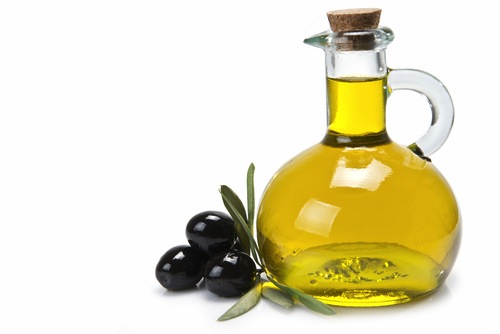
The Good
When we talk about increasing fat intake to improve our health we are generally referring to unsaturated fat. Unsaturated fat can be further categorised into monounsaturated fat and polyunsaturated fat.
Monounsaturated fat, which is the most abundant in some nuts and plant oils, can help reduce our LDL (bad cholesterol) and blood pressure while increasing our HDL (good cholesterol).
Examples of Monounsaturated Fat Sources:
Safflower oil (NOT sunflower oil), olive oil, avocados, canola oil, and hazelnuts
Polyunsaturated fat, mostly found in fatty fish, certain types of nuts and plant oil, can reduce our triglycerides, inflammation, and tumour growth.
Examples of Polyunsaturated Fat Sources:
salmon, tuna, mackerel, sardines, almonds, chia seeds, walnuts, and oil from the above list
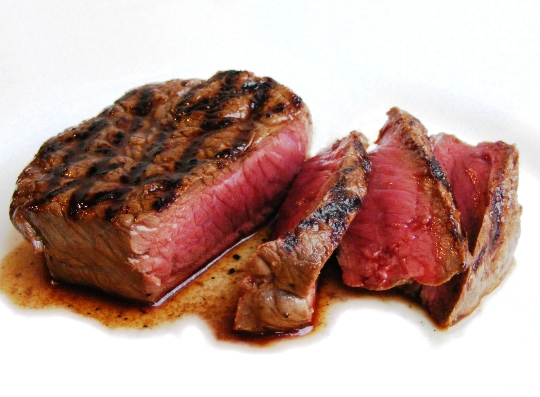
The Bad
If unsaturated fat is the good guy, the not so good guy would be saturated fat. Our bodies do need a certain amount of saturated fat to stay healthy but an excessive amount can cause our LDL (bad cholesterol) to elevate beyond safe levels, which can cause blood pressure to increase leading to higher risks of heart diseases and stroke. Saturated fat tends to be found in animal products. Note: it is impossible and not necessarily healthy to completely eliminate saturated fat from our diets; we should however limit the intake of saturated fat to no more than 5 - 6% of our total caloric intake.
Examples of Saturated Fat Sources:
pork, beef, lamb, dairy products, and lard

The Ugly
There is also a type of fat we should avoid at all costs - trans fat. Trans fat does not naturally exist in any food but is the product of a chemical reaction called partial-hydrogenation, which makes liquid fat into solid fat. Trans fat has absolutely no place in our bodies and can increase our LDL (bad cholesterol), risk of heart diseases and stroke. The majority of trans fat exists in processed food with ingredients that have gone through partial-hydrogenation.
Examples of Trans Fat Sources:
margarine, commercial pizza and fried food, and packaged cookies
An important note is when a food product claims to be trans fat free it does not necessarily have zero trans fat (the food industry can be very confusing). What it does mean is that there is less than 0.5g of trans fat per serving and the producer can actually define the serving size however he wants! Often times those products which claim to be trans fat free are those requiring the most caution. Instead of looking at the amount of trans fat on the nutrition label, look at the ingredient list and avoid anything with the word “partially hydrogenated” in order to ditch the trans fat.
Everything in Moderation
In summary, it is important to remember that not all fat is created equal and we do actually need to incorporate the correct amounts of the right types of fat in our diets! Another thing to remember is that when aiming for specific fitness goals, moderation is key.
Stop fearing fat! We will discuss in detail specific aspects of fat next time!
0 comments:
Post a Comment