Saturday, November 22, 2014

The Wonder of Simplicity

17:11 Posted by Unknown No comments
Since the emergence of Google, it has become an extremely easy task to get our hands on a workout program. The issue though, is which one to trust? Probably because we are in the age of information overload, and there are simply too many options out there, people seem to have an illusion that the more the better.

When choosing a program, most people are in favour of programs with the most complexities. The more phases the program has, the more exercises it includes, and the more sets and reps variations it uses, the better the program is. Is this really true? Does a program have to confuse the hell out of a person to be effective? Does a person really need a program that requires a track sheet or else he would otherwise not remember what he has to do on a particular day?


Faster Progression

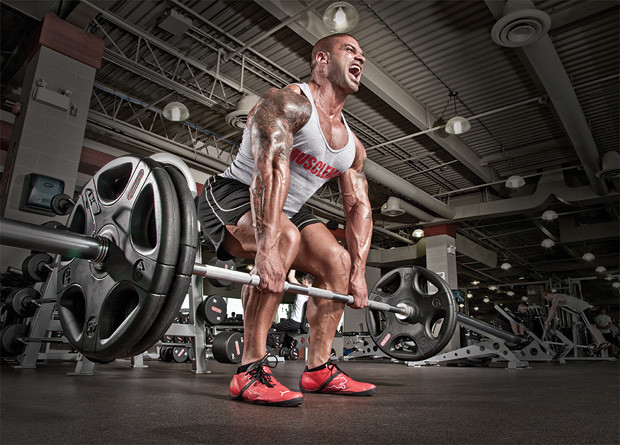
The fact is, for a majority of gym goers, simple programs work better for us. Complex split routines do have their values, but those are for advance individuals. Simple total body routines allow a faster progression rate for beginner and even some intermediate lifters.

Experienced lifters require more stimuli for any particular part of their bodies to trigger growth since their bodies are already used to hitting weights regularly, and our bodies would not change unless they have a need to adapt. Thus, they have to increase the volume of workouts for each particular body part. This is the main reason why they need to use split routines, as one workout session would not be long enough for them to work enough volume for all body parts. This is not the case for beginners and even some intermediate lifters, they have enough time to get sufficient stimuli for their entire body in a single session as their bodies require less stimuli to trigger growth than experienced lifters.

Recovery

As I have mentioned above, an efficient workout for beginner lifters and intermediate lifters would require a lot less weight and volume than an efficient workout for experienced lifters. Our goal here is to trigger growth while not giving our bodies excessive stress that would hinder recovery so that we can train again and trigger another wave of growth as soon as possible. The minimum amount of stress needed for experienced lifters to grow is simply higher than that of beginner lifters and intermediate lifters, beginner and even some intermediate lifters often times can recover from an efficient workout for them in as few as 1 to 2 days; experienced lifters on the other hand may need a full week to recover from a workout efficient for them. Thus, beginner trainers can recover faster and have a faster progression rate! The sooner you recover, the sooner you can train and grow again.


Growth Hormone

When doing full body workouts, our bodies produce more growth hormone than doing workouts that only involve a fewer body parts. This is quite self explanatory, as the more muscle you work, the more growth hormone your body produces.

Focus On The Main Lifts

In a lot of programs we see a lot of assistance work such as dumbbell flys for the chest and triceps extensions for the triceps. Why not just do the bench press and work both muscle groups at the same time? First you can save time, and you also get more stimulation from the heavier load you can use. There are generally two reasons for assistance work, the first reason is to add volume to the program without excessive stress to the CNS (Central Nervous System) that would overtax the body which does more harm than good; the second reason is to fine-tune our bodies. For beginners and even some intermediate lifters, the volume needed to trigger growth can be attained only by doing the main lifts without overtaxing the bodies, and there is not anything yet to be effectively fine-tuned. So assistance exercises can be often times very unnecessary before getting into the experienced stage.


Law of Diminishing Marginal Return

The longer we have worked out, the slower we can progress optimally. Being a beginner is a status we should treasure. We should train as long as we can progressing in a beginner's manner as that is the way how we can progress the fastest. There is a really great beginner program, Starting Strength by Mark Rippetoe that I recommend. I highly recommend it to anybody that has not tried it even if you have already lifted for a couple of years. You will see your strength skyrocketing and the size will also follow. Find it online and check it out!

If the program does not sound like something for you, I still recommend you doing simple workouts with the following principles until you can progress no longer (adding weights in each session).

1. perform full body workouts
2. perform 1 to a maximum of 2 exercise(s) for each body part in a single workout
3. keep the volume low by only doing 3 - 5 sets of 5 - 8 reps (start by doing 5 sets of 8 reps and gradually drop the volume when you cannot add weight until you are doing 3 sets of 5)
4. only choose compound movements such as bench press, squats, deadlift, military press and pull ups

You will be astonished by your progression! Enjoy the wonder of simplicity!

Friday, November 21, 2014

Sweet Corn & Chestnut Ris'oat'to

18:22 Posted by Unknown No comments
The Sweet Corn & Chestnut Ris'oat'to is a perfectly healthy yet hearty dish for the autumn incorporating two of the best ingredients of this season! Just like any of our signature Ris'oat'tos at Urban Fitness HK, the creamy texture of the dish can be attained without any added oil or butter! Other nutritional benefits of using oats over rice include higher fiber content and lower GI. Prepare this recipe as the perfect side dish for this autumn!


gluten free, low fat, low GI, high fiber, vegan

Serves 3 - 4

150g whole rolled oats
400mL harvest corn soup
250mL water
100g peeled chestnuts (approximately 150g with shells)
1 small purple onion (approximately 150 - 200g)
few cloves of garlic
salt to taste (half a tsp recommended)

1. Bring a pot of water to boil and boil the chestnuts for 5 minutes (depending of the size and type of chestnut you get, the boiling time might have to be increased to up to 10 minutes, the idea is to have the chestnuts cooked to a soft texture that can be mashed)

2. chop the onion, mince the garlic, and peel the chestnuts as shown in the picture below 
3. heat up a non-stick wok at high heat
4. toss in the garlic and half of the onion into the wok, stir occasionally to ensure even heating, and stir-fry until browned
5. pour in the water, then the soup, and toss in the peeled chestnuts, add salt to taste (make sure not to add too much salt as this is a primarily sweet dish and just a little bit of salt can enhance the sweetness from the corn soup as well as the chestnuts)
6. stir to mix the soup evenly, and start mashing the chestnuts in the soup with a spoon to your desired chunkiness, bring the soup back to boil and let it boil for two minutes while mashing the chestnuts, then toss in the oats
7. turn down to low heat, keep stirring occasionally to ensure even cooking and prevent sticking
8. when mixture is half absorbed by oats, toss in the other half of the onion, keep stirring occasionally
9. cook to your desired consistency and enjoy!

Tips:

*Reason why I add the onion in two batch is to add an extra texture to the dish, the function of the first half is to give taste to the soup, and the function of the second half is to add a crunch to the dish

*Remember to add the water before adding the soup or the heat of the wok may burn the soup

*If boiling and peeling the chestnuts is too much work, packaged pre-cooked and peeled chestnuts can also be used to replace raw chestnuts in the recipe, they can normally be found in most supermarkets and convenient stores in Hong Kong

Nutritional Breakdown:

Calories: 850kcal
Protein: 30g
Fat: 10g
Net Carbohydrates: 160g
*net carbs does not include fiber as fiber cannot be digested by human bodies and thus provides no calories for us
Fiber: 20g


Saturday, November 15, 2014

The Truth About Cholesterol

18:21 Posted by Unknown No comments
Cholesterol, one of the most evil terms known in today's health and fitness world. A lot of us watch what we eat because of cholesterol. No longer enjoying eggs with yolks, restricting usage of cheese in various recipes, and taking some seafood completely out of our diets. But do most of us really know what cholesterol is and how does it actually affect our bodies?

Is it a true evil or just misunderstood? Today we are going to reveal the true nature of cholesterol and what it does to our bodies.
What is Cholesterol?

Cholesterol, unlike common perception, is not one definite substance. Cholesterol actually combine with proteins in our blood stream becoming different types of lipoproteins.

Low Density Lipoproteins (LDL)

LDL is known as the "bad" cholesterol. It is responsible for all the negative effects cholesterol has on our bodies we have commonly heard of. Not all LDL particles are the same though. LDL particles actually come in different sizes and large LDL particles should not be much of our concern. Only small LDL particles can potentially squeeze through the lining of our arteries, oxidise, and cause damage and inflammation. In short, only the amount of small LDL particles is directly proportional to the risk of heart diseases.

High Density Lipoproteins (HDL)

As oppose to LDL, HDL is known as the "good" cholesterol. It helps our bodies getting rid of LDL and triglycerides. Think of HDL as the cleaner of our arteries.

Very Low Density Lipoproteins (VLDL)

VLDL rarely appears in our body check reports as there is no simple and direct way to measure the level of VLDL yet. It is very similar to LDL that they contain mostly fat and not much protein.

Triglycerides

This is a type of fat carried by VLDL. It is converted from excess calories, alcohol, or sugar in our bodies and can be stored as fat throughout our bodies.

Truth About Cholesterol

Cholesterol is actually very essential to our health as cholesterol makes up important parts of our cells and hormones. Without cholesterol, our bodies would not be able to function. We would not have a body at all without cholesterol as it is a vital component of our cell membranes!

What Really Matters?

Too many people nowadays are over-concerned about their total cholesterol level. The truth is that unless it is way above, I am talking about over 300 here, there is no reason to worry about it. We should also note that different organisations have intentionally lowered the "safety cholesterol level" in favour of drugs marketing.

What we should really be looking at are the HDL to total cholesterol ratio and the triglyceride to HDL ratio. When dividing our HDL by our total cholesterol level, the ideal should be above 24%; and when dividing our triglyceride by our HDL, the ideal should be less than 2. This is what truly matters when monitoring our cardiovascular health.

Dietary Cholesterol and Body Cholesterol

Eating less cholesterol to monitor our cholesterol level, sounds like it makes complete sense, right? Not quite, what actually happens is that in average, 75% of the cholesterol in our bodies are produced with only 25% from our dietary intake. And guess what, because of our bodies' adaptive nature, when we increase our dietary cholesterol intake, our bodies lower its cholesterol production; in contrast, when we decrease our dietary cholesterol intake, our bodies increase its cholesterol production!

There have been very well-designed cholesterol feeding studies done by universities and health organisations where subjects were fed commonly demonised healthy whole foods (such as whole eggs) daily and had their cholesterol levels monitored. In general, around 75% of the subjects did not experience any noticeable cholesterol level difference before or after the experiment. While approximately 25% of the subjects, later labelled as "hyper-responders" did experience an increase in total cholesterol, the ratio of LDL to HDL though (what actually matters as we have explained above), remained the same. In addition to that, their LDL levels increased due to an increase in size of LDL particles instead of an increase in numbers of LDL particles. As previously mentioned, only small LDL particles are potentially harmful to our cardiovascular health. In other words, for this 25% of the subjects, consuming more dietary cholesterol from natural whole foods actually improved their cholesterol levels!

The good news? All those abandoned indulgences such as whole eggs, cheese, and steak can come back to our diets! Feel no guilt from enjoying a whole egg omelette for breakfast or coupling a glass of red wine with a nice piece of steak!

What Should We Be Watching?

If dietary cholesterol is not what we should be looking at, what factors should we be monitoring and how can we better our cholesterol levels?

Weight

Being overweight increases the tendency of having a high LDL level and losing weight automatically helps lowering our LDL while increasing our HDL. So if you are overweight and have to improve your cholesterol level, instead of looking at your dietary cholesterol intake, start looking at your total caloric intake and exercising to lose weight!

Exercise

Not only can exercising benefit overweight individuals to lose weight for improving their cholesterol levels, exercising itself can lower LDL and raise HDL in general for every single person!


Diet

I have just brought justice to those long misunderstood healthy high cholesterol whole foods earlier. On the other hand, there are indeed foods that can worsen our cholesterol. Two no-nos out there that would both directly and indirectly impact our cholesterol towards the dark side are added sugars, and trans-fat. There is one category of food commonly include both of these evil factors, processed foods. It is the best to stay away from processed foods and make up preferably our entire diets with healthy whole foods.

Alcohol 

Excessive alcohol consumption can have serious impact on the health of our livers and heart muscles, which will eventually lead to high blood pressure, and raising triglycerides. Thus, monitor our alcohol consumption to make sure it does not do harm to our cholesterol levels is vital.

Stress

Stress is another factor that can affect our cholesterol levels. In the world of health and fitness, not only regarding our cholesterol levels, stress is a big enemy in general. Make sure to relax ourselves every once in a while especially when working through tough periods in the year. Some common ways of relieving stress includes exercising, and meditating. Find something that suit you the best is the most important part!

Cholesterol is indeed something we should monitor, but we should thoroughly understand what it is and monitor it in the correct way instead of having irrational fear for it! Have no hesitation enjoying your whole egg omelette for breakfast from now on! 

Sunday, October 26, 2014

Healthy Chicken @ 87 Wellington Street, Central

16:44 Posted by Unknown 2 comments
Quick and healthy choices for eating out while I am on the run, this is what I have missed ever since I returned to Hong Kong from New York. New York was full of places where there are salad bars with healthy veggies and sides I could pick from to accompany a main dish of my choice at affordable prices. The best part of these places is that the entire process cost me less than 10 minutes because everything is ready made! It's so hard to find such places in Hong Kong though, places here are either healthy but expensive, or affordable but unhealthy, and preparing our own food does not really go hand in hand with Hong Konger's busy lives.

Just a few days ago, I found a problem solver in the Central area which just had their grand opening last week!

Healthy Chicken, located just by the escalator has brought me back the convenience I used to get in New York, a wide variety of veggies and sides to choose from after choosing a chicken main!


They have  2 types of beans: black and pinto; 3 types of rice: brown, tomato, and spinach; 2 types of cheese: white cheddar and monterey jack; and a ton of veggies including GUACAMOLE! They also have a five types of sauces ranging from different levels of spiciness.


They offer different types of chicken at different portion sizes, I was pleased that they offer chicken legs and chicken wings separately since they usually have to come with the breast. Skinless chicken breast which would be the most healthy choice is also available.


A variety of healthier options of drinks including the less common coconut water!


I got a quarter chicken meal, and intentionally chose the breast when I was offered breast or leg, as the breast is the true test of whether the chicken is made moist or not. Normally we only get to choose one type of rice but as this was the first time I was having a meal there, they were kind enough to let me sample all three of them so I know which one I like next time. Also had all the veggies on the list, and some pinto beans (buried under the salad), but I opt out the cheese as I am not a big fan of it. Chose the yellow sauce which was listed as the most spicy option.

The chicken was actually really moist and I did not even need the sauce to enjoy it! I only took one bite with the skin but it was crispy and completing worth indulging if I did not have a competition in 2 weeks! All 3 types of rice were amazing and I will defintely have a hard time choosing only one on my next visit. The texture of the brown rice was very different from the tomato rice and spinach rice. The brown rice was drier just like how it is in Chinese fried rice, while the spinach and tomato rice were very creamy and sticky, the rice really absorbed the flavours as well. The sauce though, was not as spicy as I expected, I guess that would suit the preference of the locals better. It was a great meal mixing everything together, a great boom of flavour and texture combining the chicken, the salad, the beans, and the rice. I will for sure be a regular customer here before I get fed up with chicken (I don't think this day will ever come lol).

Another great thing about this joint is that they list the calories of their food items on the menu which is rather rare in Hong Kong! I think it is a smart move though given the health awareness in Hong Kong is rising in recent years. The values are also pretty accurate.

Here is an approximate breakdown of the meal I had from my judgement:

Calories: 500kcal (I did not have the skin of the chicken)
Protein: 55g (primarily from the chicken and some from the beans, veggies, and rice)
Fat: 5g (only minimal amount of fat from the 1 bite of chicken skin I had)
Net Carbohydrates: 60g (complex carbs from the beans and rice which were perfect for my post-workout)
*net carbs does not include fiber as fiber cannot be digested by human bodies and thus provides no calories for us
Fiber: 10g (from the beans and veggies, beans actually have a ton of fiber in them if you did not know!)

Another thing worth noting is that although this joint seem to mainly cater to take-aways, they do have a few seats available and they even have 3 stations with chargers for different electronic devices, awesome for today's ridiculously short battery lives! Sometimes I do miss my indestructible Nokia 3310.


Thursday, October 23, 2014

Green Curry Japchae (Korean Stir-Fried Sweet Potato Noodles)

11:14 Posted by Unknown No comments
Japchae is a classic Korean dish. It is made of Korean sweet potato noodles (a.k.a. starch noodles or Korean vermicelli) stir-fried with a variety of vegetables. The Korean sweet potato noodles is a very healthy alternative to other types of noodles and pastas. It is only made of water and sweet potatoes. This type of noodles also gives us a unique texture to add some variety to our diets! The only downside of the dish is that traditionally it requires the Korean barbecue sauce which contains a substantial amount of brown sugar. Today, I am introducing you a healthy version of japchae with a spicy kick! 

Infusing Korean and Thai food, the green curry japchae takes sugar out of the equation and is a perfect dish for some complex carbohydrates after workouts!


gluten free, low fat, low GI, vegan option, paleo

Serves 3 - 4

200g dried Korean sweet potato noodles
200g lean pork (optional)                    *this recipe can be made vegan without the pork
1 small purple onion (approximately 150 - 200g)
1 red bell pepper (approximately 100 - 150g)
1 yellow bell pepper (approximately 100 - 150g)
1 small batch of enoki mushrooms (approximately 100 - 150g)
2 tbsp green curry paste (can be increased to your liking, this is quite a mild dose)
150 mL water
few cloves of garlic
some ginger
salt to taste (1tsp recommended)

1. boil a pot of water for the noodles, add the noodles into boiling water, cook for 6 minutes
2. chop the onion, slice the pork and bell peppers, mince the garlic and ginger, as well as cutting off the root part of the enoki mushrooms as shown in the picture below
3. drain the cooked noodles, flush them immediately with cold water for 1 minute and put it in a pot of cold water, heat up a non-stick wok at high heat at the same time
4. toss in the ginger, garlic, and half of the onion until slightly browned
5. toss in the sliced pork and cook until half cooked
6. pour in the water, add the green curry paste and salt to taste
7. drain the noodles and add the bell peppers, enoki mushrooms, and the other half of the onion
8. stir all the ingredients together until they are mixed evenly
9. serve and enjoy when the liquid is mostly absorbed and evaporated!

Tips:

*The process of flushing the noodles with cold water immediately after draining them from the hot water is vital, this increases the chewy texture of the noodles, and putting them in cold water afterwards before further using them keeps them from sticking together

Nutritional Breakdown:

Calories: 1150kcal
Protein: 50g
Fat: 5g
Net Carbohydrates: 225g
*net carbs does not include fiber as fiber cannot be digested by human bodies and thus provides no calories for us
Fiber: 10g

Saturday, October 18, 2014

The Ultimate Chest Builder - Dips

22:54 Posted by Unknown No comments
"Hey buddy, how much do you bench?" If you have been in the gym regularly even just for a few weeks, I am sure you wouldn't be unfamiliar with this saying. The bench press has such an importance in the gym goers' minds that there is a National Bench Press Day created for it. The bench press is no doubt a great upper body strength indicator and everyone would agree that it is a chest exercise, but is it really THE BEST chest builder out there?

Most guys bust out sets after sets of bench presses for bigger pecs, is that really the right thing to do? Today I am going to introduce you a the dips as the ultimate chest builder, include it in your training routine, and get better pecs, period.

Do not get me wrong, I love the bench press, I even participate in bench press competitions, but it is simply not the best exercise out there if your main focus is to get thicker and wider pecs.

Anterior Deltoid Stimulation = Pectoralis Majors Stimulation

In the bench press, your anterior deltoids (front shoulder) actually receive the same stimulation as your pectoralis majors (chest) do. In other words, the bench press is as much of a front shoulder movement as a chest movement. And unless you have a very special anatomy, your pectoralis majors are going to be far bigger (and stronger) than your anterior deltoids, which means your anterior deltoids are going to give up on you before your pectoralis majors do. Thus, we cannot train our pectoralis majors to their full potential in the bench press as our anterior deltoids would limit us doing so.

Rotator Cuff Health

Another thing about the bench press is that is it not exactly the best exercise for our shoulder health as it actually decreases shoulder flexibility. Excessive bench pressing work without sufficient overhead pressing work to balance it out would ultimately lead to shoulder injuries in the long run. Shoulder injuries is a pain in the ass as all compound movements for the upper body require shoulders to participate. Having injuries means that you would have to take a step back in your training and thus sacrifice continuous progressions.

And how does the dips do a better job in building our chest? Read on!

Anterior Deltoid < Pectoralis Majors Stimulation

Unlike the bench press, the downward pushing motion of the dips takes a big part of our shoulders out of the equation. In the dips, we can really target our chest and work them to the max. I don't usually feel my chest especially tired comparing to other muscle groups after multiple sets of heavy bench presses, but the fatigue in my chest would stick with me after only a couple sets of heavy weighted dips.

Load

An important factor of stimulating muscle growth is the load we are using. Most people can potentially lift more weight in the dips than in the bench press. The dips actually has a very similar movement pattern as the decline bench press, and most people can lift more weight in the decline bench press than the flat bench press. My 1RM flat bench press right now would be somewhere around 115kg (255lbs) but I can do 3 sets of 5 weighted dips with 75kg (165lbs) on a belt which results in 310lbs total weight given my bodyweight is 145lbs at the moment! A larger load means more stimulation for the muscles, and thus more muscle growth!

Functionality

The functionality of the dips is a lot higher than that of the bench press. In the bench press, we are stabilised on the bench which take a lot of the stabilisation work off our core; in the dips though, as our bodies are hanging mid-air, we have to engage our core and stabilise the body throughout the movement. Also, in contrary to the bench press which reduces our shoulder flexibility, the dips can increase our shoulder flexibility if done right, this can benefit our training in the long-term by preventing injuries.

Start Doing The Dips

When first starting to incorporate dips into your training routine, it is a good idea not to rush onto the weighted dips as most people who are not used to doing the dips lack the shoulder flexibility of performing the dips properly. For the purpose to increasing muscle mass and strength, I recommend doing 3 to 5 sets of 5 to 12 reps bodyweight dips to start with, work on increasing your shoulder flexibility by tracking your range of motion and progress to performing full range of motion dips (armpit close to hand). Once you are able to perform full range of motion dips, you can start adding weight to your dips. One thing to note though, is that I recommend only reaching parallel (or just below that) once you start doing weighted dips in order to avoid excess stress on the shoulders in case the weight you are progressing to in the future will be massive. Add weight to your belt slowly for say 2.5lbs to 5lbs a week initially and stay in the low rep range (5-12) for maximal muscle growth!

From now on, instead of asking how much people bench, maybe we should start concerning about how much do they dip!

164lbs weighted dips x 5 @ 145lbs bodyweight


Friday, October 10, 2014

Shrimp and Zucchine Aglio e Olio senza Olio (Zucchini Pasta with Garlic)

09:21 Posted by Unknown No comments
I came across a recipe of shrimp and spaghetti aglio e olio (spaghetti with garlic and olive oil) another day at Food Network and it just reminded me my love for this garlicky pasta dish! Everybody loves spaghetti aglio e olio, simple yet delicious! On the other hand, apart from leaving you a bad breathe, this high carb and high fat combination may refrain people from enjoying it without feeling guilty about it. Today, we are introducing you a healthy version of this Italian classic with a refreshing twist! And we even have a tip for you at the end of the recipe to get rid of that garlicky breathe so you can indulge this dish without second thoughts!


gluten free, low calorie, low fat, low GI, high protein, paleo

Serves 1

1 small zucchini (approximately 200 - 250g)
1 small pumpkin (approximately 400 - 500g)
5 jumbo shrimps with shell
6 cloves of garlic (approximately 2 heaping tsp of mashed garlic, can be adjusted to your liking)
dash of parsley
salt to taste (half a tsp recommended)
a bit of water

*If you really love olive oil, you can add 2 tsp of olive oil into the wok and heat it up before you toss the zucchini pasta and shrimps into the wok in step 4., also you would want to use medium heat instead of high heat. This will give you an additional 80kcal to the recipe with 9g of heart-healthy fat

1. cut the top off the pumpkin as shown in the picture below, scoop out the seeds and steam the entire pumpkin for 20 minutes
2. remove the skin of the zucchini and scrape it into pasta shape as shown in the picture below, mash the garlic, marinate the shrimps with some salt
3. scoop out the 'meat' of the pumpkin and mash the 'meat'
4. heat up a non-stick wok at high heat, toss the shrimps and zucchini pasta into the wok
5. add the mashed pumpkin and garlic, salt as well as parsley after approximately 1 minute and mix together
6. cover the shrimps with the zucchini pasta so that the shrimps are at the bottom of the wok (this will allow the zucchini pasta to absorb the taste of the shrimps while they are being cooked), add a tiny bit of water whenever the pasta is burning or sticking to the wok, a tiny bit at a time would do the trick, excess water will ruin the dish
7. serve the zucchini pasta in the pumpkin when the shrimps have changed their colour completely to orange and enjoy!

How to get rid of the garlicky breathe?

*Apart from chewing gum to mask the smell of garlic after indulging some real garlicky dish, there are actually two other ways that I know of to minimise the social damage of garlic! The first one is built into the recipe! Parsley actually has the effect of neutralising the chemical responsible for the garlic breathe, this is why you often see recipes that include garlic with parsley in them. Another good way to minimise the garlic breathe is to wash your mouth or drink some milk after enjoying a garlicky dish!

Nutritional Breakdown:

Calories: 250kcal
Protein: 25g
Fat: 3g
Net Carbohydrates: 30g
*net carbs does not include fiber as fiber cannot be digested by human bodies and thus provides no calories for us
Fiber: 5g


Mexican Guaca'tuna' (Avocado Tuna Salad)

07:08 Posted by Unknown No comments
Tuna salad is a great spread that can be used to make a variety of great snacks and meals. You can use it to top salads up, make sandwiches with it, use it as a dip for crackers, or even have it just by itself! The downside though, for tuna salad is the mayo! Mayo is super high in fat and thus calories, and most mayos in the market are made of low quality oil, providing a lot of empty calories from fat without much micronutrients.

Today we are introducing you a healthy version of tuna salad, the avocado tuna salad! I came up with this recipe during my Central American trip where there were literally too many avocados around! Avocado has a creamy texture which makes it a perfect substitute of mayo! Comparing to 680kcal from the same amount of mayo, there is only 160kcal in 100g of avocado! Also, avocados are rich in a lot of micronutrients such as potassium (they have more potassium than bananas which are commonly known as the potassium bomb!). Avocados gives us a lot of heart-healthy monounsaturated fatty acids and can bring down our cholesterol as well as triglycerides levels! Also, although it doesn't feel fibrous, 1 small avocado actually gives us more than one third the daily recommended amount of fiber! And at last, its bright green and yellowish colour gives us a funky kick to our diets!


gluten free, low carbs, low GI, high protein, high fiber, paleo

serves 2

1 small ripe avocado (approximately 150 - 200g with the skin and pit)
1 small can of tuna in water (approximately 75g drained)
1 small red onion (approximately 100g)
1 lemon
few cloves of garlic
salt and pepper to taste

1. mince the garlic and dice the onion
2. heat up a non-stick pan/wok at high heat, toss the garlic and onion into the pan/wok until browned
(step 2. is optional, this step makes the onion gives out a bit of sweetness, and makes both the garlic and onion less spicy)
3. let the garlic and onion cool down while scooping the 'meat' out of the avocado
4. mash the avocado in a mixing bowl, add in the drained tuna, garlic, onion, salt and pepper, squeeze the juice out of the lemon and add it into the mix
5. mix well and use this healthy avocado tuna salad to substitute normal tuna salad in your favourite recipes!

Tips:

*Make sure the avocado is ripe enough or it would be a rather hard task to mash it, a ripe avocado should be in a very dark colour and should feel soft when you squeeze it. Avocados straight from the stores are rarely ripe, so get the avocados in advance. You can speed up the ripening process of an avocado by placing it in a brown paper bag with bananas, apples, or tomatoes since they also produce a similar type of plant hormone that is responsible for the ripening process and the bag traps the hormone

Nutritional Breakdown:

Calories: 300kcal
Protein: 22g
Fat: 16g
Net Carbohydrates: 12g
*net carbs does not include fiber as fiber cannot be digested by human bodies and thus provides no calories for us
Fiber: 10g


I like enjoying this avocado tuna salad with portobello mushrooms to make a healthy snack, simply spread the avocado tuna salad onto a portobello mushroom and bake it at 250°C (480°F) for 20 minutes and enjoy!

Each portobello mushroom gives you 2g of extra protein in only less than 20kcal!

Wednesday, October 08, 2014

Stuffed Portobello Mushroom with Shrimp Sauce Ris'oat'to

18:10 Posted by Unknown No comments
The stuffed portobello mushroom with shrimp sauce ris'oat'to is a perfect fusion between the western and Eastern cultures. Just like the butternut squash ris'oat'to, substituting risotto rice with oats can attain the creamy texture of ris'oat'to without added fat such as oil and butter. Also, using oats gives you the benefits of higher fiber content, lower GI, reducing LDL (bad cholesterol), and feeling fuller for longer. Surprise your friends with this exotic and original recipe in which I use traditional Chinese (Hong Kong style to be specific) ingredients prepared in a Western way!


gluten free, low fat, low GI, high fiber

Serves 3 - 4 (or one hungry Ray)

For the stuffed portobellos:

2 portobello mushrooms
$5 - $10 of minced mud carp (approximately 100g, this is a type of fish product commonly available at fish stands in wet markets of Hong Kong, show them "
鯪魚肉" in case you cannot communicate with them verbally, if this is way out of your comfort zone, you can also stuff the portobellos with minced pork/beef/chicken or any stuffing you prefer)
some scallion 

1. mince the scallion as shown in the picture below, preheat your oven to 250°C (480°F)
2. mix the scallion with the minced mud carp

3. heat up a small non-stick pan at high heat while stuffing the portobellos with the minced mud carp
4. place the stuffed portobellos onto the pan with their stuffed sides down
5. when the stuffed sides of the portobellos are browned, transfer the portobellos into the oven with the stuffed sides up and bake for 20 minutes


For the shrimp sauce ris'oat'to:

150g whole rolled oats
600mL water
1 eggplant (approximately 200 - 250g) 

shrimp sauce to taste (for first timers, this is rather salty and thus not too much is needed, 2 heaping tsp recommended)
some scallion

1. mince the scallion, garlic, and dice the eggplant as shown in the picture below
2. heat up a non-stick wok at high heat
3. toss the garlic into the wok
4. when the garlic is browned, toss in the eggplants
5. when the skin of the eggplants start to change from bright purple to a duller colour, add the water and the shrimp sauce, keep stirring to prevent the liquid from bubbling too much, if the bubbles are starting to get out of control, blowing air towards the liquid can reduce bubbling
6. toss in the oats and turn down to low heat, keep stirring
7. when the liquid is half absorbed, toss in the scallion into the wok

8. cook to your desired consistency, serve the ris'oat'to with the portobellos and enjoy!

Remarks:


*minced mud carp is made by blending whole mud carps, some salt and some herbs, this common stuffing from Hong Kong is very low in fat and high in protein, it is commonly used as stuffing in various Hong Kong traditional street snacks 

*shrimp sauce is a very unique condiment that can be rarely found in places apart from Hong Kong, it is most commonly made in Tai O, a small fishing village in Hong Kong, but is now readily available in most supermarkets in Hong Kong. It is made of fermented shrimps and salt, and has a unique taste like nothing else

Nutritional Breakdown:

Calories: 750kcal
Protein: 55g
Fat: 10g
Net Carbohydrates: 110g
*net carbs does not include fiber as fiber cannot be digested by human bodies and thus provides no calories for us
Fiber: 20g

Sunday, October 05, 2014

Butternut Squash Ris'oat'to

09:14 Posted by Unknown No comments

The Butternut Squash Ris'oat'to is a healthy version of risotto without sacrificing taste! As oats can be cooked to a creamy consistency naturally, no oil or butter is needed at all in this recipe! Other nutritional benefits of using oats over rice include higher fiber content and lower GI. It also takes less time to cook oats than rice and oats absorbs taste better as well! Give this healthy recipe a shot and give your friends and family a healthy twist of the tasty risotto!


gluten free, low fat, low GI, high fiber, vegan option

Serves 3 - 4

150g whole rolled oats
400mL butternut squash soup
200mL water
200g pumpkin
1 small purple onion (approximately 150 - 200g)
100g lean pork (optional)                    *this recipe can be made vegan without the pork
some ginger
few cloves of garlic
salt to taste (1tsp recommended)

1. chop the pumpkin and onion, mince the ginger and garlic, and slice the pork as shown in the picture below
2. boil the pumpkin in water for 2 minutes, heat up a non-stick wok at high heat at the same time
3. toss in the ginger, garlic and half of the onion into the wok, stir occasionally to ensure even heating, and stir-fry until browned
4. drain the pumpkin and toss them into the wok, pour in the water, and then the soup, add salt to taste (depending on the butternut squash soup you use, sometimes you can even skip the salt)
5. stir to mix the soup evenly, wait until boil and toss in the oats
6. stir and mix evenly, turn down to low heat, stir occasionally to ensure even cooking and prevent sticking
7. when liquid is half absorbed by oats, toss in the sliced pork and the other half of the onion, keep stirring occasionally but make sure the pork is buried in the oats to make sure they are fully cooked
8. cook to your desired consistency and enjoy!

Tips:

*Reason why I add the onion in two batch is to add an extra texture to the dish, the function of the first half is to give taste to the soup, and the function of the second half is to add a crunch to the dish

*Remember to add the water before adding the soup or the heat of the wok may burn the soup

Nutritional Breakdown:

Calories: 900kcal
Protein: 50g
Fat: 15g
Net Carbohydrates: 140g
*net carbs does not include fiber as fiber cannot be digested by human bodies and thus provides no calories for us
Fiber: 20g

Thursday, September 25, 2014

Dig Deep in Omega-3

19:12 Posted by Unknown No comments
Last time we have already briefly introduced Omega-3 and its benefits:

http://urbanfitnesshk.blogspot.hk/2014/09/omega-3.html

This time we are going to dig deeper about Omega-3 and talk about how to ensure sufficient intake of this essential fatty acid.

Not All Omega-3 Created Equal


Omega-3 is in fact a group of fatty acids including alpha-linolenic acid (ALA), eicosapentaenoic acid (EPA) and docosahexaenoic acid (DHA).


To reap the benefits mentioned in the previous post including proper brain development, improved cardiovascular function, and aid in muscle development, DHA and EPA are what our bodies need. ALA provides the building blocks of EPA and DHA. To utilise ALA, our bodies convert them into EPA and DHA, but not in the perfect ratio since ALA is primarily converted to EPA.


Getting the EPA & DHA


The best food source of EPA and DHA are different types of oily fishes such as salmon, mackerel, and sardines. If fatty fish is not one of your favourite foods, it is a good idea to supplement your diet with some Omega-3 supplements such as fish oil.


When choosing an Omega-3 supplement, the amount of total fat or even Omega-3 are not much of the importance, but the amount and ratio of EPA and DHA. A lot of Omega-3 supplements on the market use a lot of fillers making the amounts of EPA and DHA far less than ideal.   


The perfect ratio of of EPA:DHA should be around 3:2.


Vegetarian?


Since DHA and EPA primarily come from fatty fish, it has been a challenge for vegetarians to obtain sufficient amounts of them. EPA can be produced by our bodies with a diet high in ALA which can come from a variety of seeds such as walnuts, flax seeds, and oils extracted from these seeds.

Recent studies have discovered an alternative source for vegetarians to obtain sufficient DHA other than fatty fish. Algae is shown to be a good vegetarian source of DHA providing similar amounts of DHA to that of fatty fish. There is an array of algae-infused supplements on the market providing vegetarians good ratios of Omega-3 for its benefits!

Why is Core Training Important

18:09 Posted by Unknown No comments
Core training has become a very popular word among the fitness industry in recent years, for a good reason! Our cores are really the core of our overall health as well as our athletic performance, and training our cores would definitely benefit every single on of us regardless of our goals. Today we are going to explain what the core is exactly as well as why is it so important.

NOT Only Your Abs


One of the biggest misinterpretations of the core is most people think the core is only the abs. This is not the case, the core muscle group actually include inner abs, outer abs, obliques, lower back, and a few other muscles. The major function of these muscles is to stabilise the spine and transfer power. Today we will be discussing the importance of working on your core for not only training but also day to day life.

Overall Wellness

The core plays a vital role in our everyday lives, not only in walking or lifting objects, but most importantly a strong core leads to good posture and this will prevent muscle imbalance, which can cause problems such as lower back pain.

Engine of the Body

Doing exercises such as deadlifts, bench press or squats we think our power is coming from the arms and legs, but the power really originates from the core. The core provides a strong base enabling us to do these exercises with better forms. A strong core also gives us more power to lift heavier weight for harder sessions and better results!


The Six Packs Look

Although abs are not all core is about, core training does lead us to those fit looking six packs we all want. Don’t limit our core training to crunches and sit-ups, there are a lot more core exercises we can do for our desired goal. The plank, twisting crunch and the V-sit hold are very good examples. All of the exercises have different intensities, so it is up to you to push yourself!


Now that you know about the importance of a strong core, starting training your core with variety to strengthen it up!

Squat Variations

18:09 Posted by Unknown No comments
The Squat is often referred to as the king of all strength training exercises and is one compound movement that gives you the most bang for the buck. Whether the goal is to increase strength, gain mass, or lose fat, the squat definitely has a place in your training regime.

The squat stimulates a huge amount of muscle tissue from head to toe hence it is an amazing hormone stimulator in an anabolic environment. The squat also has massive impacts on our central nervous system for maximal strength gain.

We are going to introduce you to a few members of the squat family:

Back Squat

Back squat is what most people immediately think of when hearing the word “squat”. This is the variation most commonly done,  and for a good reason. The back squat allows us to hold maximal weight among all squat variations, it is the best for increasing muscle mass and stimulating fat loss.

While executing the back squat the barbell is placed on the upper back either on the traps (high bar position) or just above the scapula (low bar position).

Front Squat

The front squat is also one of the most common variations of squats done in the gym. The front squat gains its roots from olympic lifting and is very beneficial for athletes. For most people, the front squat is harder than the back squat due to the core strength it requires. The front squat also allows less room for “cheating" by compensating with the lower back, therefore reducing the risk of injury.

In the front squat position, the barbell is placed on the anterior deltoids (the front of our shoulders). This position puts the emphasis on our quads and upper back.

Overhead Squat

The overhead squat is one of the less common squat variations due to its level of difficulty. Like the front squat, the overhead squat also gains its roots from olympic lifting while putting more emphasis on balance and mobility.

In the overhead squat position, the barbell is held overhead with a snatch grip (the bar should be at our hips in a hang position). The overhead squat can be a very valuable variation working on our balance, mobility, and coordination. 
Bulgarian Split Squat

Bulgarian split squats have gained their popularity in gyms in recent years. This squat variation allows us to correct muscle imbalance since we are working each leg individually. The Bulgarian split squat also allows us to train our legs at a similar intensity to other squat variations without excessive spinal loading which is useful for individuals recovering from back related injuries.

Bulgarian split squats can either be performed with one dumbbell in each hand or by placing a barbell on your upper back as you would when preparing for a back squat. Your back foot should be placed on a bench a few feet behind you and the other foot firmly on the ground in front of you. Squat down until the rear knee reaches a point approximately an inch off of the ground. The Bulgarian split squat is great for training balance, correcting muscle imbalances between legs and increasing mobility.

Do not be rigid about training a single squat form, try out different variations to reap each of their benefits!

Saturday, September 13, 2014

Go Hard or Go Home - Debunking the Myth of Fat-Burning Zone

13:00 Posted by Unknown No comments
Most people looking forward to lose weight has probably heard of the magical fat burning zone. To target the so called fat burning zone, it takes one to engage in low intensity cardio training for a prolonged period of time. Hence, the popularity of the treadmills in a commercial gym.


Once the intensity goes too high, it is claimed that we would not be burning fat and our hard work would be in vain. But does it really make sense that harder work would not lead to better result? Absolutely not! We are going to show you how the fat burning zone is a phony and the harder we work (not necessarily longer), actually leads to better result in fat burning!


How Was the Fat Burning Zone Originated?


The basis of fat burning zone is originated from the indirectly proportional relationship between the ratio of using fat as our energy source and the intensity of activity we engage in. In human words? For very low intensity activities, our bodies almost solely rely on fat to fuel themselves. As the intensity increases, the RATIO of our bodies using fat as a source of energy decreases. The thing is, it is only the RATIO of our bodies using fat as a source of energy decreases, rather than the ABSOLUTE VALUE.


Example


For example, let’s say A burned 500 calories in total within a 2 hours jogging session, and B burned 1000 calories in total within an one hour high intensity training session. Since A was engaging in such low intensity training (you got to jog like a snail to burn only 500 calories in 2 hours), his body relied 100% on fat during his session, so he burned 500 calories of fat. On the other hand, B’s body relied on 60% fat during his session, and he burned 600 calories of fat during his one hour session! Point being, although the RATIO of fat used during higher intensity training is lower than lower intensity training, the ABSOLUTE AMOUNT of fat used can still be higher, and often times within a shorter period!


The Afterburn Effect


This is not it, when we engage in low intensity training, we almost immediately stop burning extra calories as soon as we step off the treadmill. However, after engaging in high intensity training, our bodies actually go through excessive post-exercise oxygen consumption (EPOC), which means our bodies would keep burning extra calories after the termination of the activity due to the demand of recovery for the intense workout! This is commonly known as the afterburn, which can last for as long as 48 hours after finishing the workout! What is even better is the ratio of using fat as a source of energy can be twice as much comparing to an inactive individual. So you burn more calories, in which those calories are primarily from fat, without being mindful of it. This is the wonder of high intensity training. It is not only the calories we burn during our workouts, but also those we burn after our workouts!


From now on, feel free to train with higher intensity without worrying about the hard work going in vain! The harder we work, the better the result, as simple as that!